
- Home
- Inspections and Appraisals
Denver Home Inspection and Appraisal Guide
Two very different professionals look at the house after you go under contract. One works for you and looks for problems. The other works for your lender and puts a value on it. Knowing the difference saves money and deadlines.
In this guide
- Inspection versus appraisal at a glance
- Denver-specific checks: radon, sewer, soils, hail
- How Colorado objection deadlines work
- Options when the appraisal comes in low
Inspection and Appraisal Are Not the Same Job
People mix these up constantly, and the confusion is expensive. An appraiser who notes a "good condition" house has not inspected the furnace. An inspector who writes a clean report has said nothing about value.
| Home inspection | Appraisal | |
|---|---|---|
| Who hires them | You, the buyer. | Your lender (cash buyers may order one themselves). |
| Who they work for | You. | The lender. You usually receive a copy. |
| What they answer | What condition are the visible systems and structure in? | What is the property worth, based on comparable sales? |
| Contract lever | Inspection objection and resolution deadlines. | Appraisal deadline and objection terms, if your contract includes them. |
| Regulation in Colorado | Check current rules; ask about training, insurance and sample reports. | Licensed or certified through the state's real estate appraiser board. |
Choosing a Home Inspector
Your broker will likely hand you two or three names. That is a reasonable start, but remember the inspector's report can slow or end a deal, and you want someone with no reason to soften it. Interview briefly and ask for a sample report. A good report has photos, plain-language findings, and a clear split between safety issues, items needing repair, and routine maintenance.
- Ask what is excluded: roofs walked or viewed by drone, sewer lines, sprinkler systems, pools, and anything behind finished walls.
- Ask about insurance and how they handle a missed item after closing.
- Attend the inspection, or at least the walk-through at the end. Twenty minutes of conversation beats forty pages of report.
Industry warning
Some listing materials include a "pre-inspection" commissioned by the seller. Read it, but do not rely on it in place of your own. It was paid for by the other side and may have been ordered with a narrower scope than you want.
Denver-Specific Checks Worth Adding
A general inspection covers the basics. Several Front Range conditions deserve a closer look, and most are cheap compared with what they can reveal.
Radon
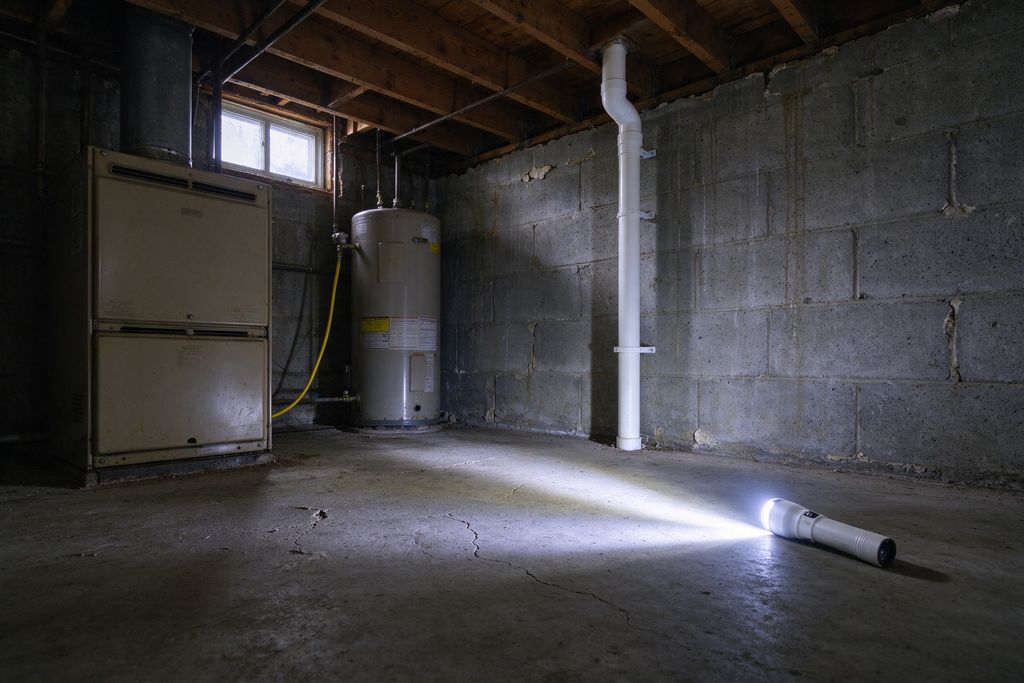
Colorado has naturally high radon potential, and the state health department urges testing every home. A short-term test during the inspection period gives a reading; if it is at or above the EPA action level of 4 picocuries per liter, mitigation becomes a negotiation item. A white PVC pipe running up a basement wall is usually an existing mitigation system. Ask whether it has been tested since installation.
Sewer line
Many older Denver neighborhoods have clay or cast iron sewer lines and big trees whose roots find the joints. A sewer scope runs a camera down the line and records what it sees. Ask for the video, not only the summary.
Soils and foundations
Parts of the Front Range have expansive clay soils that swell when wet and shrink when dry, which can move foundations and slabs. Diagonal cracks above doors, sloped floors and heaved basement slabs are reasons to bring in a structural engineer rather than relying on a general inspector's opinion.
Roof and hail
Hail is a regular feature of Denver summers. Ask the inspector to note hail impacts and the roof's apparent age, and ask the seller about past insurance claims and replacements.
The stacked cards at the bottom of this page show the typical order of the inspection period.
How Colorado Inspection Deadlines Work
The standard Colorado purchase contract, approved by the Colorado Real Estate Commission, puts inspection rights on a timetable. The deadlines appear as dates in a table near the front of the contract. In general terms, by the inspection objection deadline the buyer either sends a written objection listing items to fix, or a notice to terminate. The parties then have until the inspection resolution deadline to sign a written agreement on what will be done. If they cannot agree, the contract sets out what happens next.
If, then: during the inspection period
If the report shows a safety issue
Put it at the top of the objection, ask for licensed repair with receipts, or a price or credit adjustment your lender allows.
If the issues are mostly cosmetic
A long list of small items can sour a seller. Focus on systems, structure and safety.
If you need a specialist and time is short
Ask the seller in writing to extend the deadline before it passes. Do not assume a verbal yes counts.
How the Lender's Appraisal Works
If you are financing, the lender orders the appraisal, typically through an appraisal management company that assigns a licensed or certified appraiser. Federal appraiser independence rules mean nobody in the deal, including the brokers, can pick or pressure the appraiser. Brokers can, however, provide factual information such as recent comparable sales or a list of improvements, through proper channels.
The appraiser visits, measures, photographs and selects comparable sales, then reports a value to the lender. The loan amount is based on the lower of that value and the contract price, which is why a low appraisal matters even when you are happy with the price.
When the Appraisal Comes In Low
A value below the contract price leaves a gap between what the lender will lend against and what you agreed to pay. Your options depend heavily on the appraisal terms in your contract, so read them before you sign.
- Renegotiate. Ask the seller to lower the price to the appraised value or meet you partway.
- Cover the gap. Pay the difference in cash, if you can and still think the home is worth it.
- Challenge the value. Through your lender, request a reconsideration of value backed by better comparable sales or factual errors in the report.
- Terminate. If your contract includes an appraisal condition and you act before its deadline, you may be able to end the contract. Confirm with your broker, and with an attorney if anything is unclear.
An appraisal gap clause can win a competitive offer. Make sure you could actually pay it before you write one.
Hire your own inspector, add radon and a sewer scope for most Denver homes, and calendar every objection deadline the day you go under contract. Know your contract's appraisal terms before you sign, then move on to title and closing.
Questions About Inspections and Appraisals
Do I need a sewer scope on a Denver house?
It is not required, but many Denver buyers order one, especially for older homes with mature trees. A camera run through the line from the house toward the street can show roots, cracks, sags or separated joints that a general inspection cannot see. The line on your side is often the owner's responsibility to repair, so ask before you buy.
Is radon really a concern in Denver?
Colorado has naturally high radon potential, and the state health department encourages testing every home. The only way to know a specific house is to test it. If results are at or above the EPA action level of 4 picocuries per liter, the EPA recommends mitigation, which is a common inspection negotiation item.
Can I choose the appraiser?
No. If you are financing, the lender orders the appraisal, usually through an appraisal management company, and federal appraiser independence rules prohibit buyers, sellers and brokers from selecting or pressuring the appraiser.
What happens if I miss the inspection objection deadline?
Under the standard Colorado contract, deadlines are strict. If you do not deliver a written objection or termination notice by the inspection deadline, you generally lose that right for inspection issues. Ask your broker to confirm the exact dates, and talk to an attorney if a deadline is in dispute.
The inspection period
Contract to Resolution
A typical order of events between an accepted offer and a signed inspection resolution. Your contract's dates control.
- 01
Calendar every deadline
The day you go under contract, copy each inspection and appraisal date into your own calendar with a reminder two days before.
- 02
Book the inspector and specialists
General inspection, radon test and sewer scope first. Good inspectors fill up, and specialists may need the general report to decide what to look at.
- 03
Attend and ask questions
Walk the house with the inspector at the end. Ask which items are urgent, which are normal for the home's age, and which need a specialist.
- 04
Get repair estimates
For big items, a contractor's written estimate makes your objection specific and easier for the seller to accept.
- 05
Deliver the objection or termination
In writing, on time, using the form your broker prepares. Keep the request focused on systems, structure and safety.
- 06
Sign the resolution
Repairs, credits or price changes become binding only in a signed written resolution before the resolution deadline.